ABOUT ME
I am Julia Dandl — a ceramic artist, observer, and collector of things, stories, and traces.
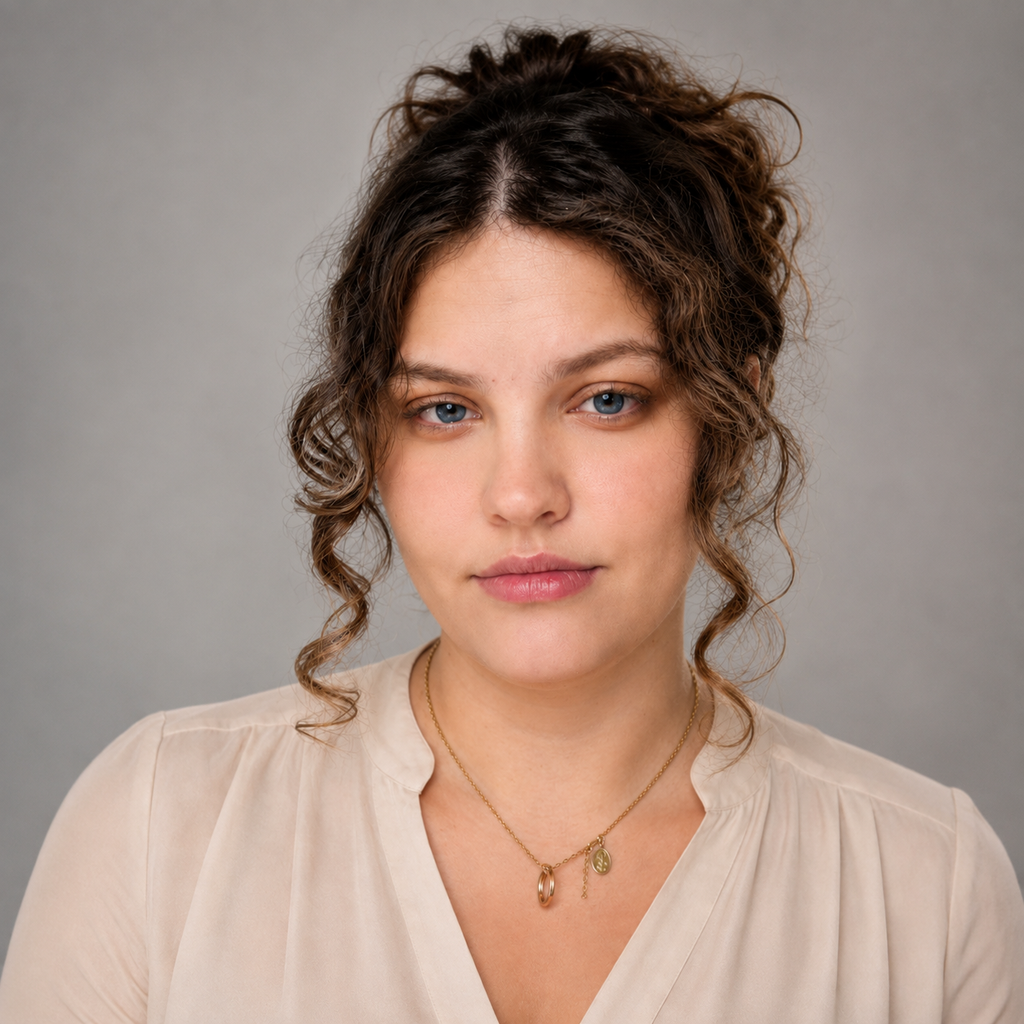
My work often begins with something very ordinary: a walk, a piece of earth, the way light falls in the early morning, an old surface, an object I happen to find, or a question I cannot quite answer yet. I am interested in what happens when we take the time to look more closely.
I work across ceramics, gouache, photography, and historical research. I do not see these as separate disciplines, but as different ways of exploring the same questions: How does a place shape us? What remains of a person when time has passed? What can materials remember? And how does our perception change when we allow ourselves to really pay attention?
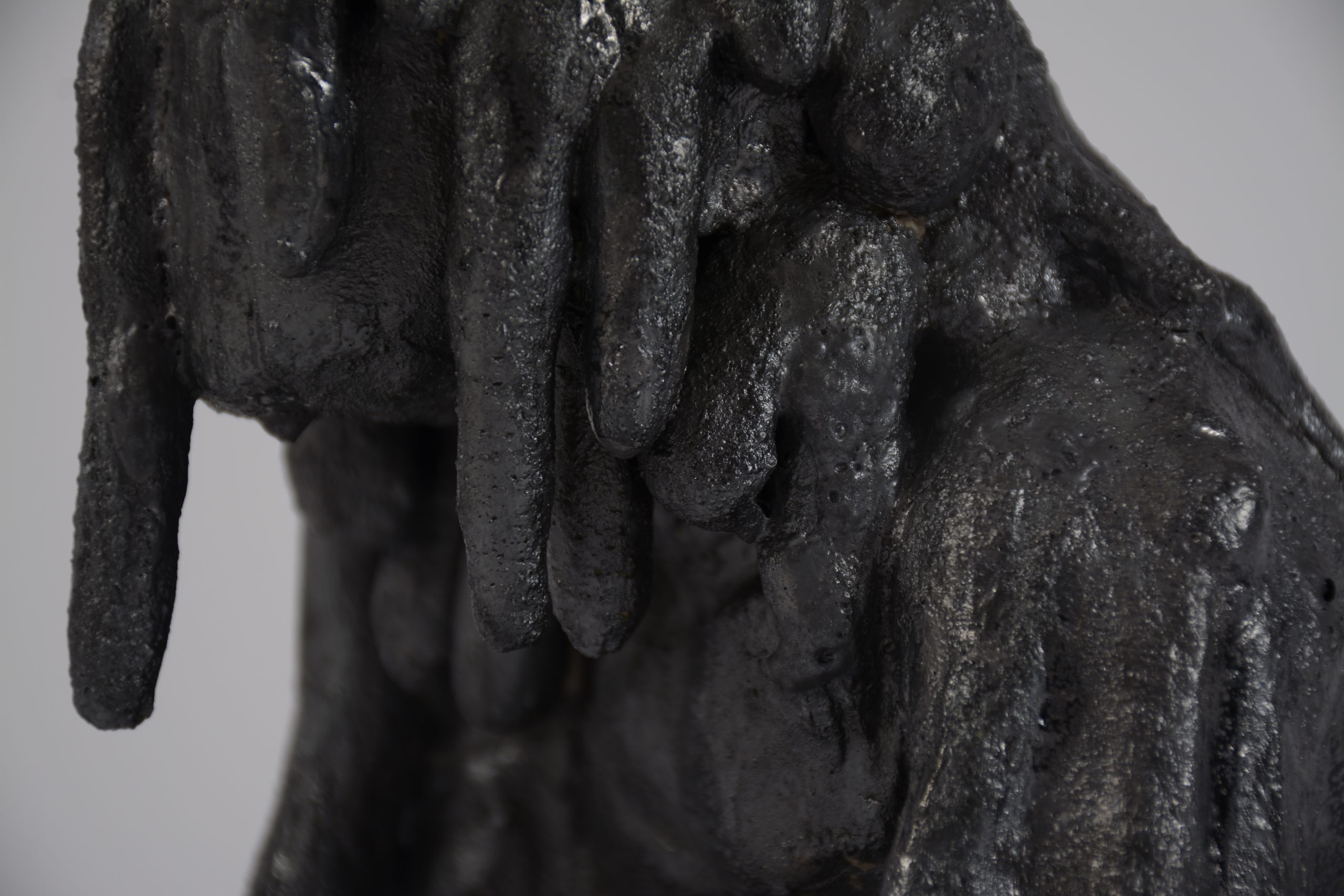
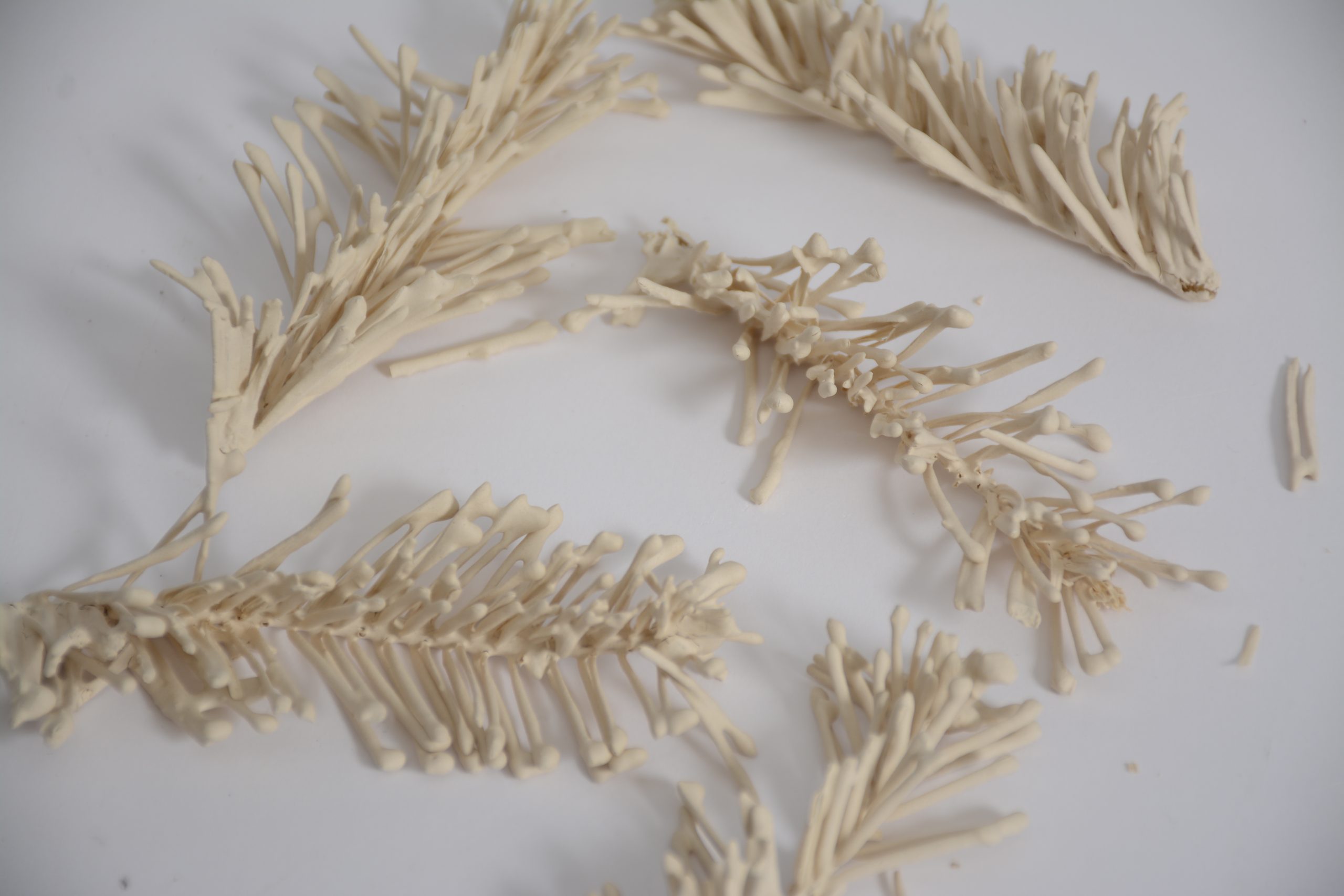
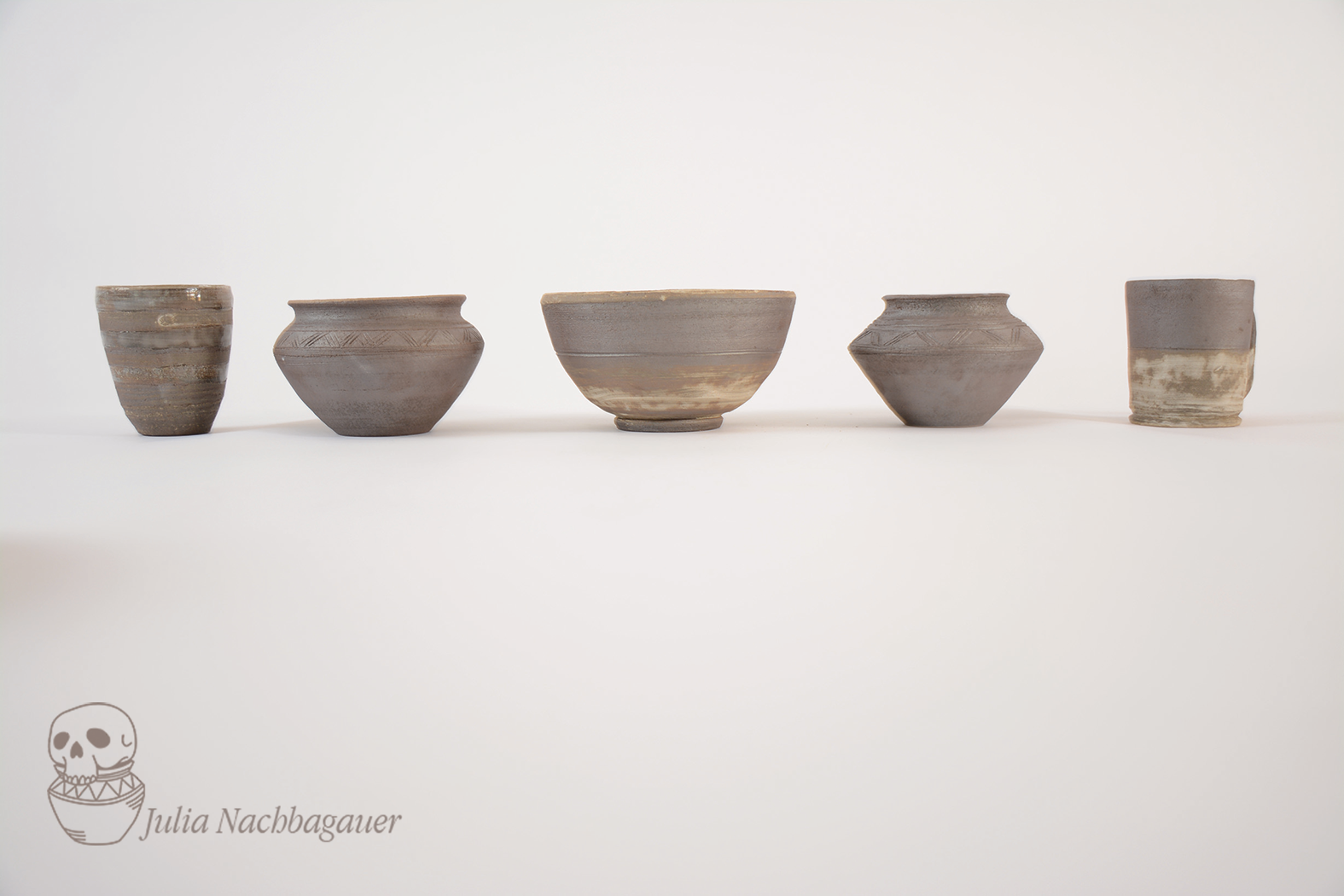
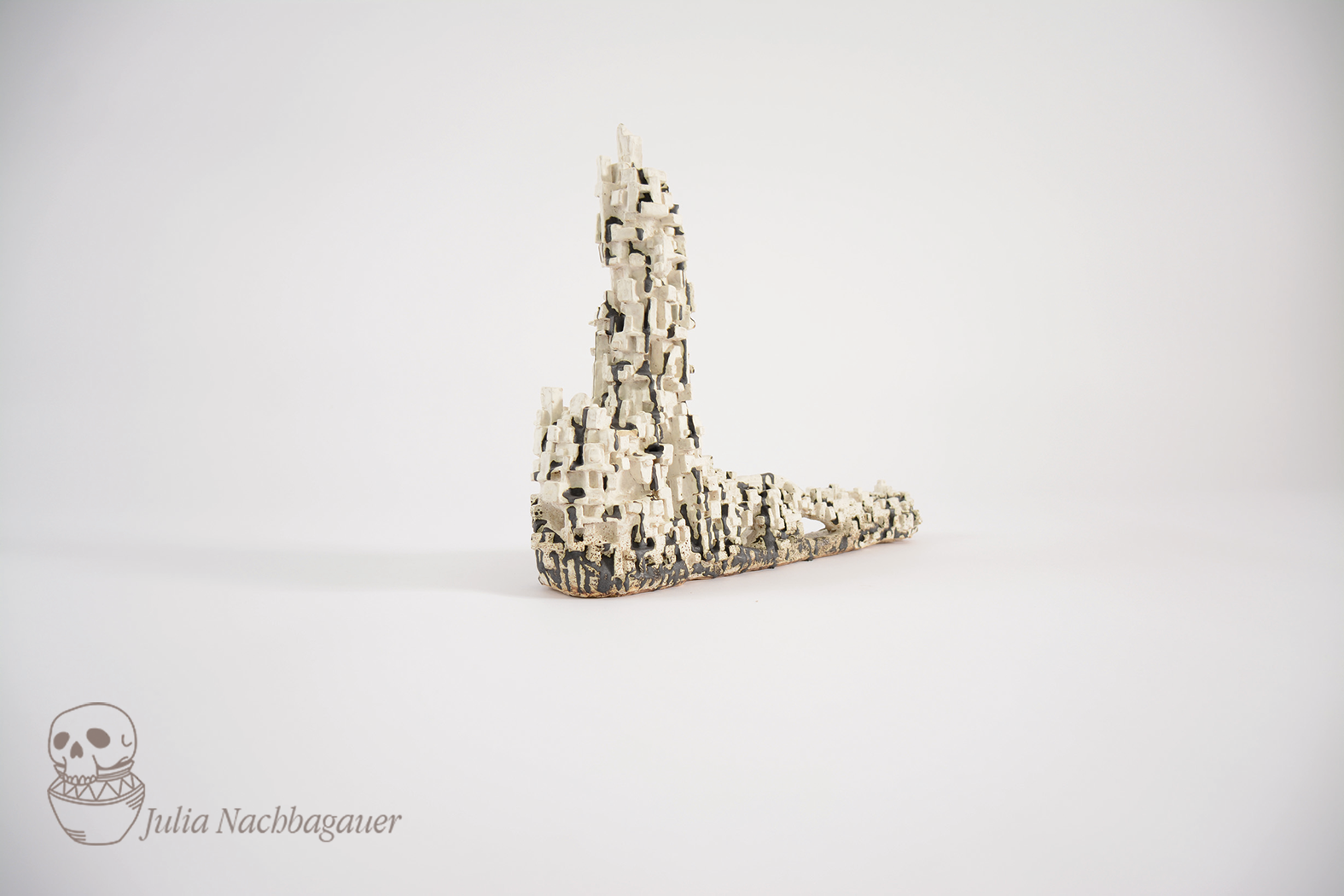
Clay is at the centre of my practice. There is something deeply grounding about working with earth. Clay carries the traces of hands, water, fire, and place. It can be shaped, dried, broken, reworked, and transformed. Through firing, it changes its state and becomes something lasting. I am fascinated by this relationship between impermanence and permanence.
My education at Ortweinschule gave me a strong practical and technical foundation in ceramics. But I have never been interested in making objects simply for the sake of making them. What draws me in is the process that comes before the finished piece — observing, collecting, researching, experimenting, getting lost, changing direction, and trying again.
This is where Field Notes comes in.
Field Notes is my personal archive and an ongoing space for observation and research. It brings together photographs, drawings, ceramic experiments, historical research, fragments of thought, and small discoveries. Some of these eventually become finished works. Others remain simply as notes — moments worth remembering, even if they never become anything else.
I like these unfinished states.
Not every observation has to become an object. Not every idea needs to be resolved. Some things need time before they reveal what they want to become.
Much of my inspiration comes from landscape and history. I am drawn to the layers that already exist in a place before we arrive: old houses, soil, plants, tools, traces of use, regional crafts, and the stories of the people who shaped their surroundings.
I am particularly interested in the smaller histories — the ones that are easy to overlook.
A pattern on an old vessel.
The shape of a forgotten tool.
A weathered wall.
A traditional craft.
An everyday object whose original purpose has slowly disappeared.
These small things can hold an extraordinary amount of information.
My photographs often begin as walks and observations. They are not only records of what I see, but attempts to capture how a place feels and how my attention moves through it.
Painting allows me to distil and transform those impressions. Ceramics gives them physical form.
The connections between these practices are often unexpected.
A landscape can become a colour.
A historical object can become the starting point for a ceramic form.
A photograph can trigger a memory.
A piece of clay can lead me back to a place.
My practice therefore grows more like a network than a straight line.
I am interested in the quiet relationships between landscape, history, memory, and material — in the way these things overlap and influence one another.
I believe that materials carry their own kind of memory. They age, change, accumulate traces, and tell stories about where they have been and how they have been used. Sometimes these stories are obvious. More often, they are quiet.
It is this quietness that interests me.
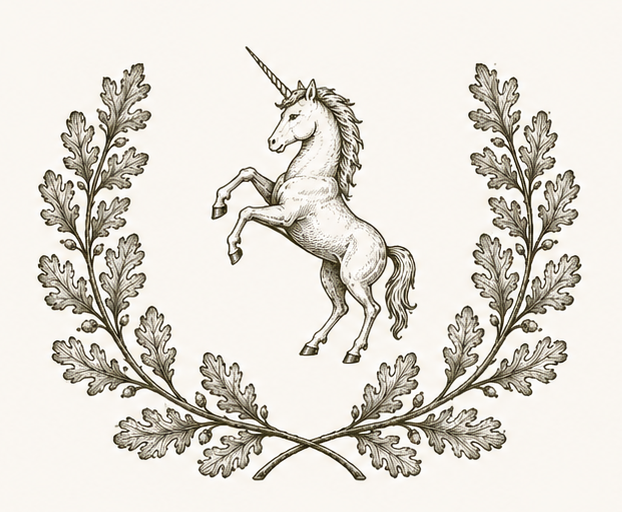
The Emblem
The emblem that accompanies my work comes from the family name Frois, inherited through my paternal grandmother.
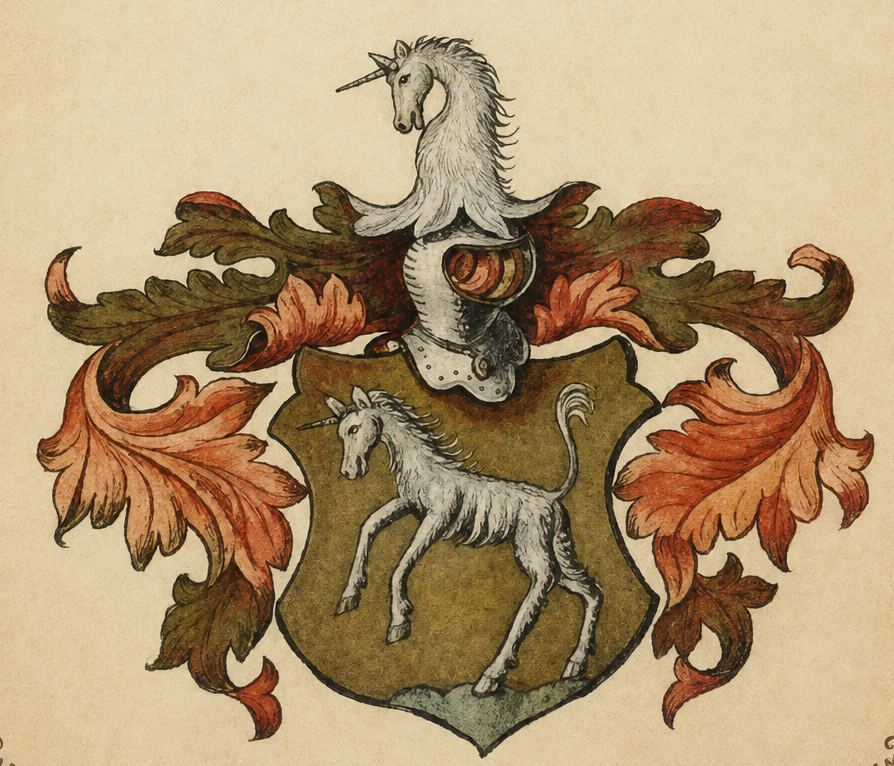
It is a small piece of family history — a name and a symbol that existed before me, carrying its own associations, stories, and unknowns. Rather than treating it simply as a family relic, I chose to give it a new place within my own practice.
For me, the emblem has become a quiet sign of continuity. It connects something inherited with something I am still making.
Frois is a name I inherited. The emblem is a trace I carry forward.
It feels fitting that it has found its way into Field Notes: a project concerned with traces, fragments, memory, and the things we choose to preserve.
Field Notes is my attempt to make some of these observations visible.
Not only the finished object, but also the paths, detours, questions, and accidents that led to it.
The things I find.
The things I do not understand yet.
The things I try.
And the things that remain.
Welcome to Field Notes.