Field Notes 8— What Remains of the Women?
The things women leave behind.
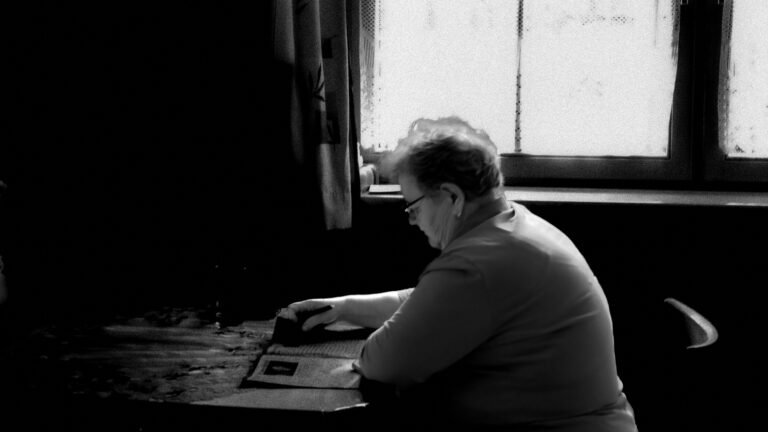
When I think of the women in my family, I often think of things.
Not particularly valuable things.
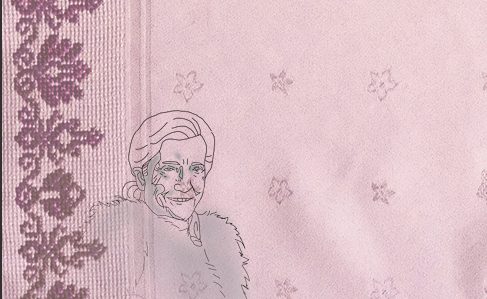
Fabrics.
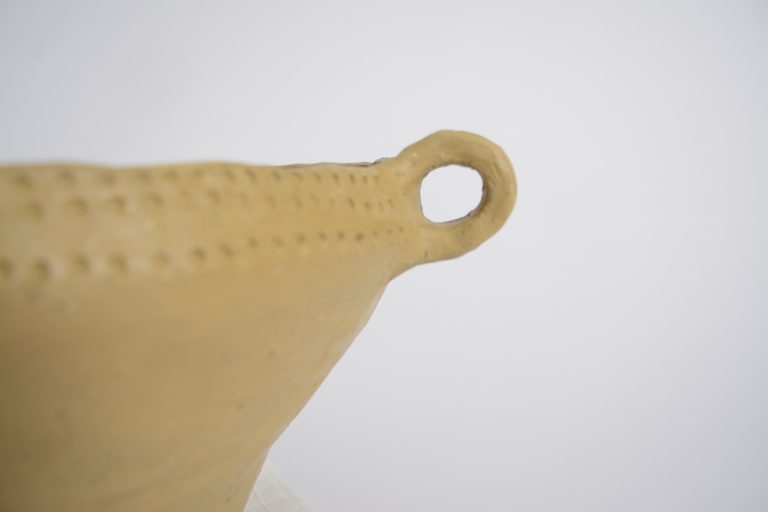
Dishes.
Old furniture.
Recipes that nobody ever wrote down because they simply knew them.
Kitchens where there was always someone working.
They are things that are easy to overlook.
Perhaps precisely because of that.
Women rarely leave behind only what is officially collected. There is no monument to the countless meals that were cooked. No archive for all the laundry that was washed. No collection for the small, everyday tasks that held a household and a family together for years.
And yet, they are there.
In the things.
During my research, I came across Louise Bourgeois and her spiders.
For her, the spider became an image of the mother: of care, protection, work, and the creation of a safe place. A spider builds, repairs, and continually holds its web together.
It made me think of the women I know.
Of all the things they made, repaired, kept, and passed on.
Perhaps that is a kind of legacy we talk about far too rarely.
Not the great, visible legacy.
But the one that continues through our hands.
A particular way of cooking.
A piece of fabric we keep.
A recipe we know by heart.
An object whose story we may no longer fully know.
So I find myself asking more and more:
How much of a person can remain in an object?
How many hands has a plate passed through?
How many stories does a table know?
And how much of the women who came before us do we carry forward without even noticing?
Perhaps these things are another kind of archive.
One that is not organised by dates.
But by use, touch, and memory.
Perhaps women do not always leave history behind as a grand story.
Sometimes it simply remains on a table.