Field Note 2. — La Tène: Vessels as a Starting Point
Reconstruction · Form study · Contemporary functional ceramics
Before a historical vessel can become a source of inspiration, it needs to be looked at closely.
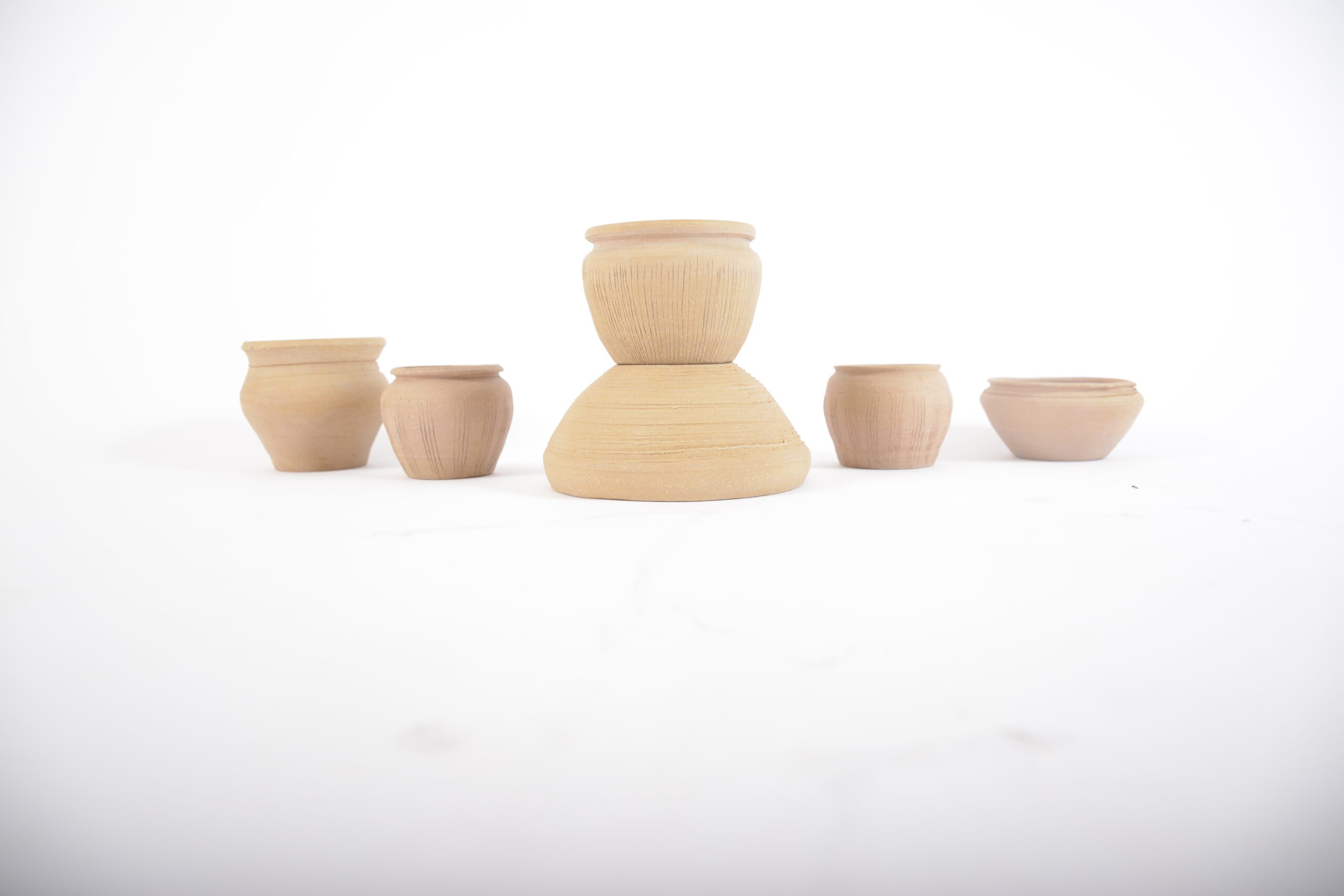
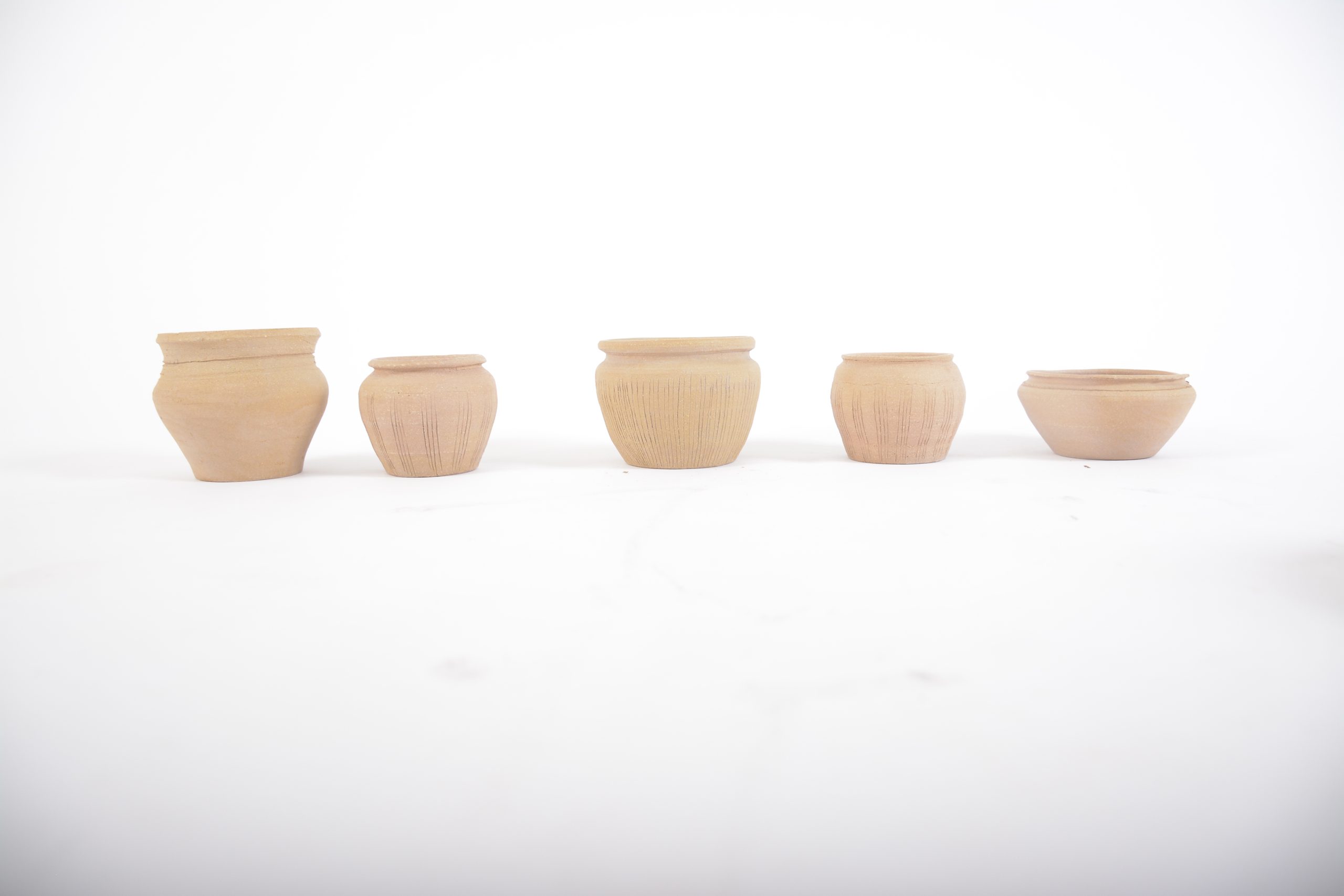
For this study, I worked with ceramic vessels from the La Tène period and created a series of reconstructions. The intention was not to reproduce historical pottery as accurately as possible, but to approach these forms through my own hands, materials, and way of working.
Working from the forms reveals details that can easily disappear in an image: the relationship between the body and the neck, the tension of a rim, the way a vessel narrows towards its base, or how a small change in proportion alters the entire silhouette.
The vessel becomes more than a shape. It becomes something made by hand, shaped by its material, and created for use.
Form as a Trace of the Past
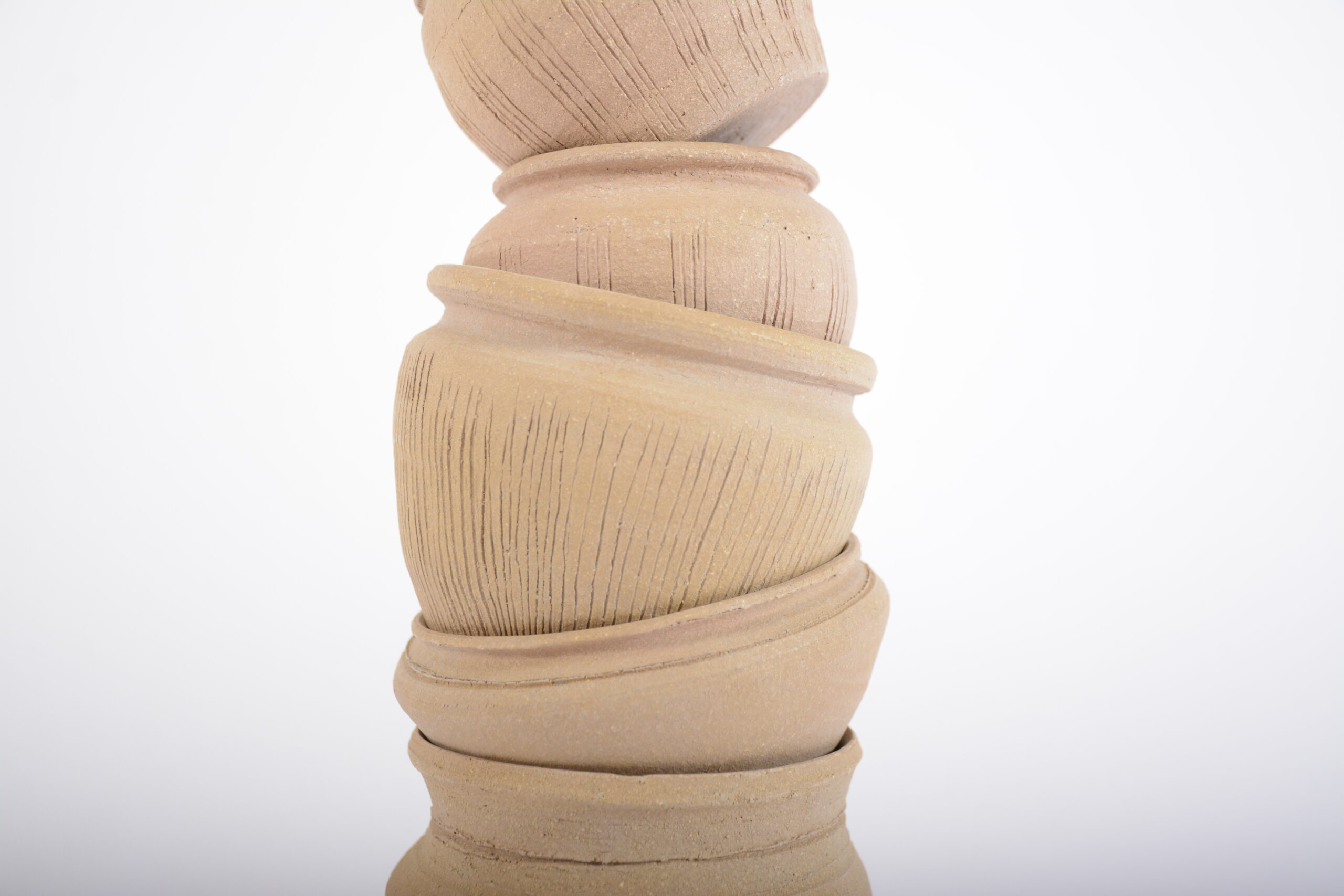
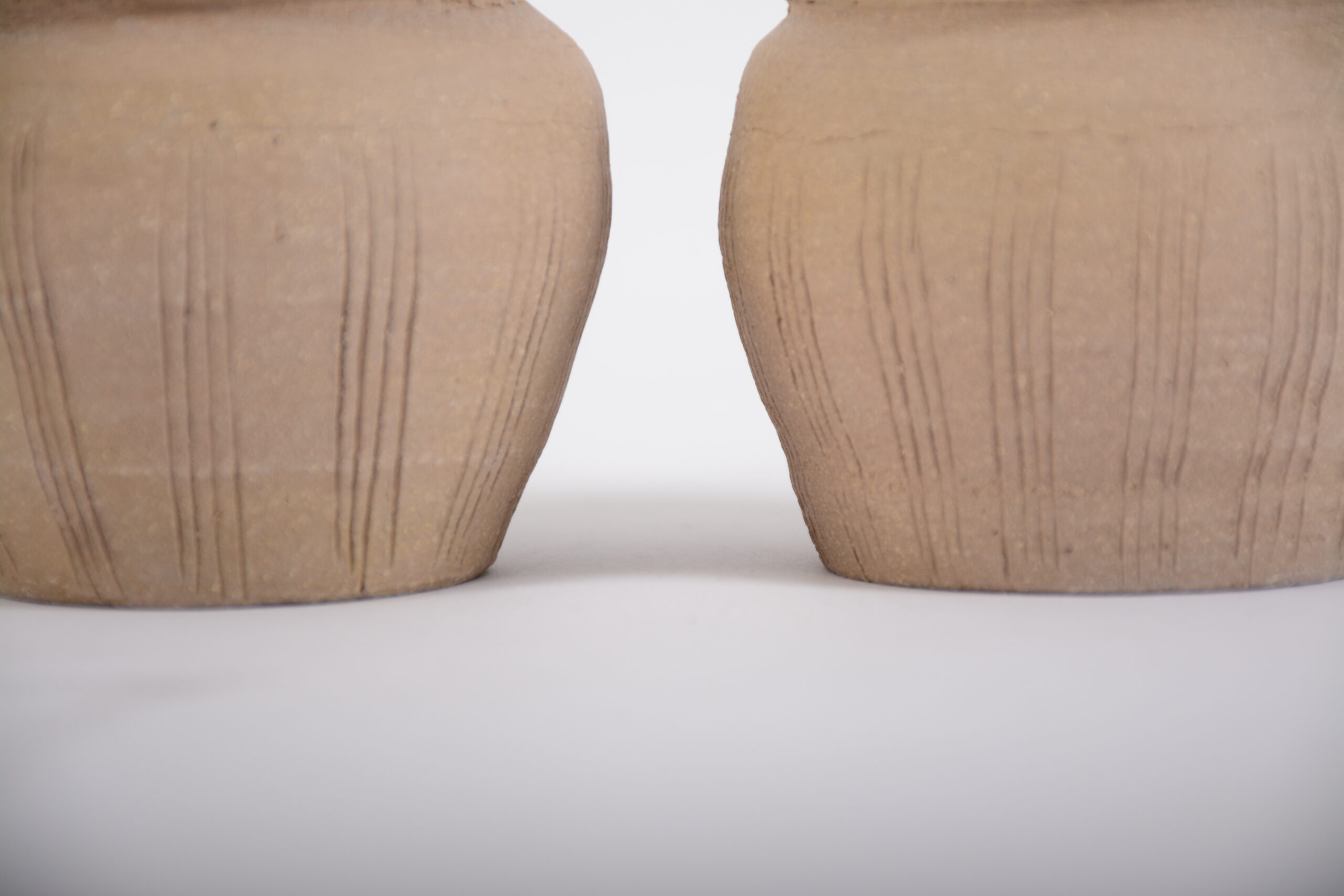
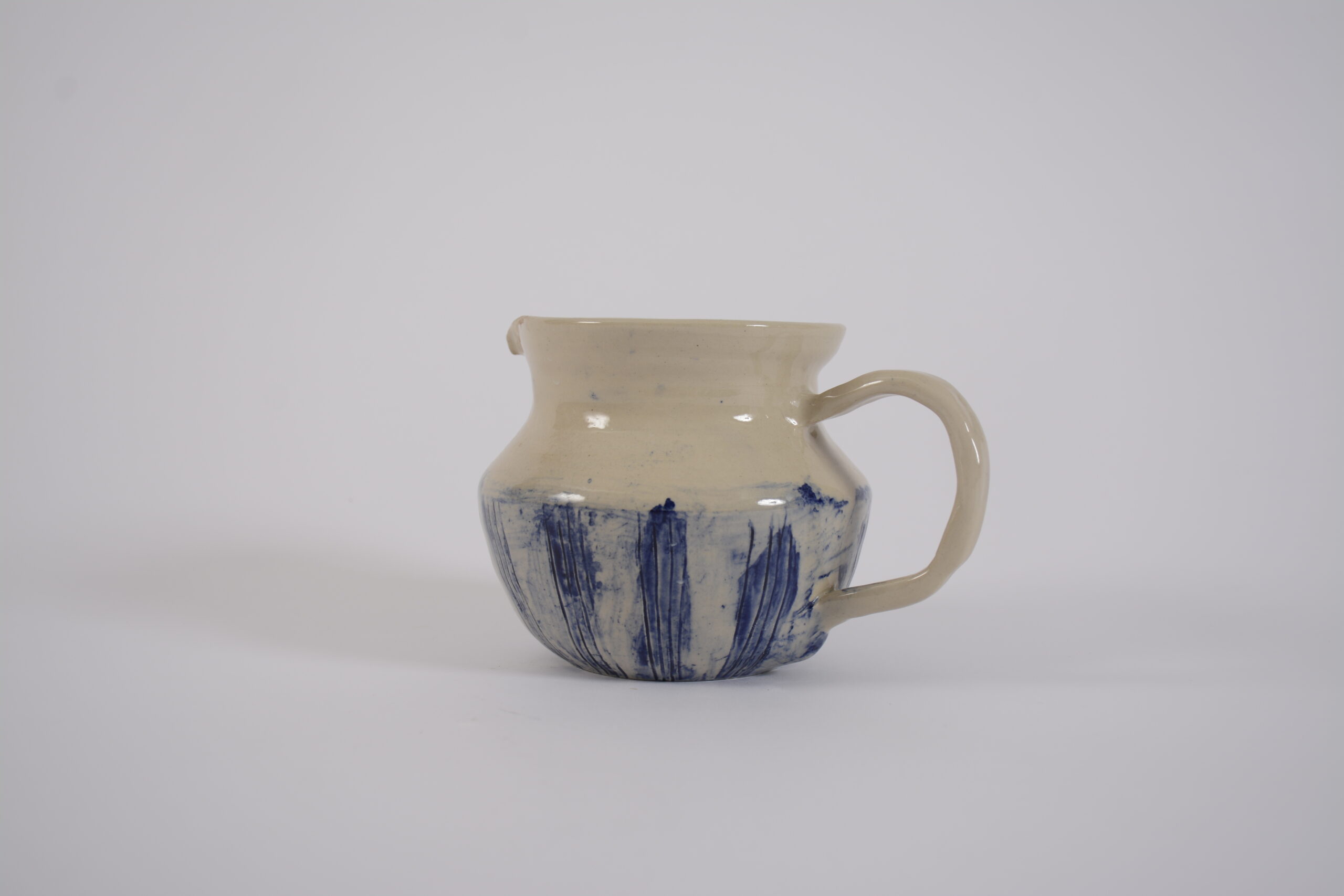
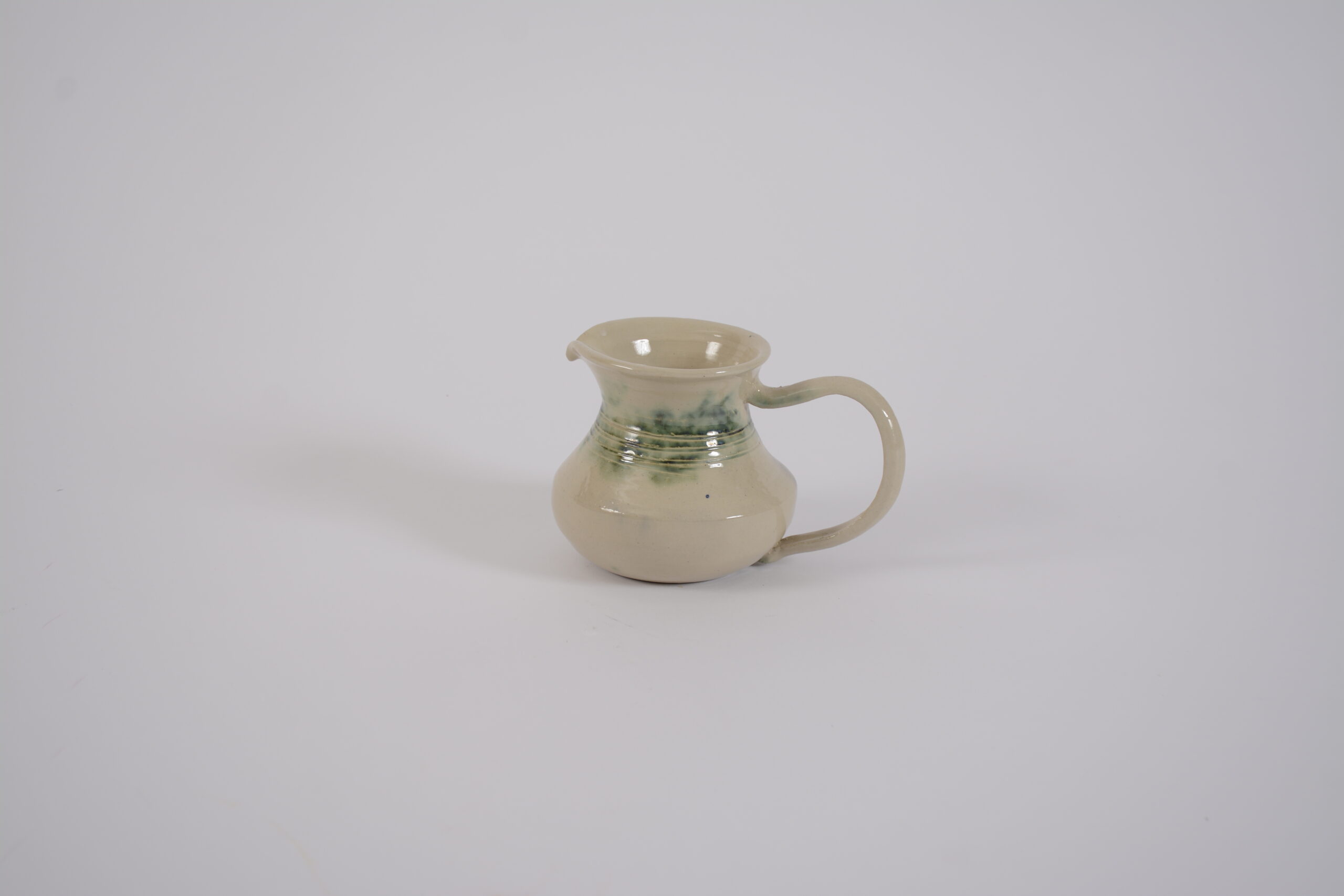
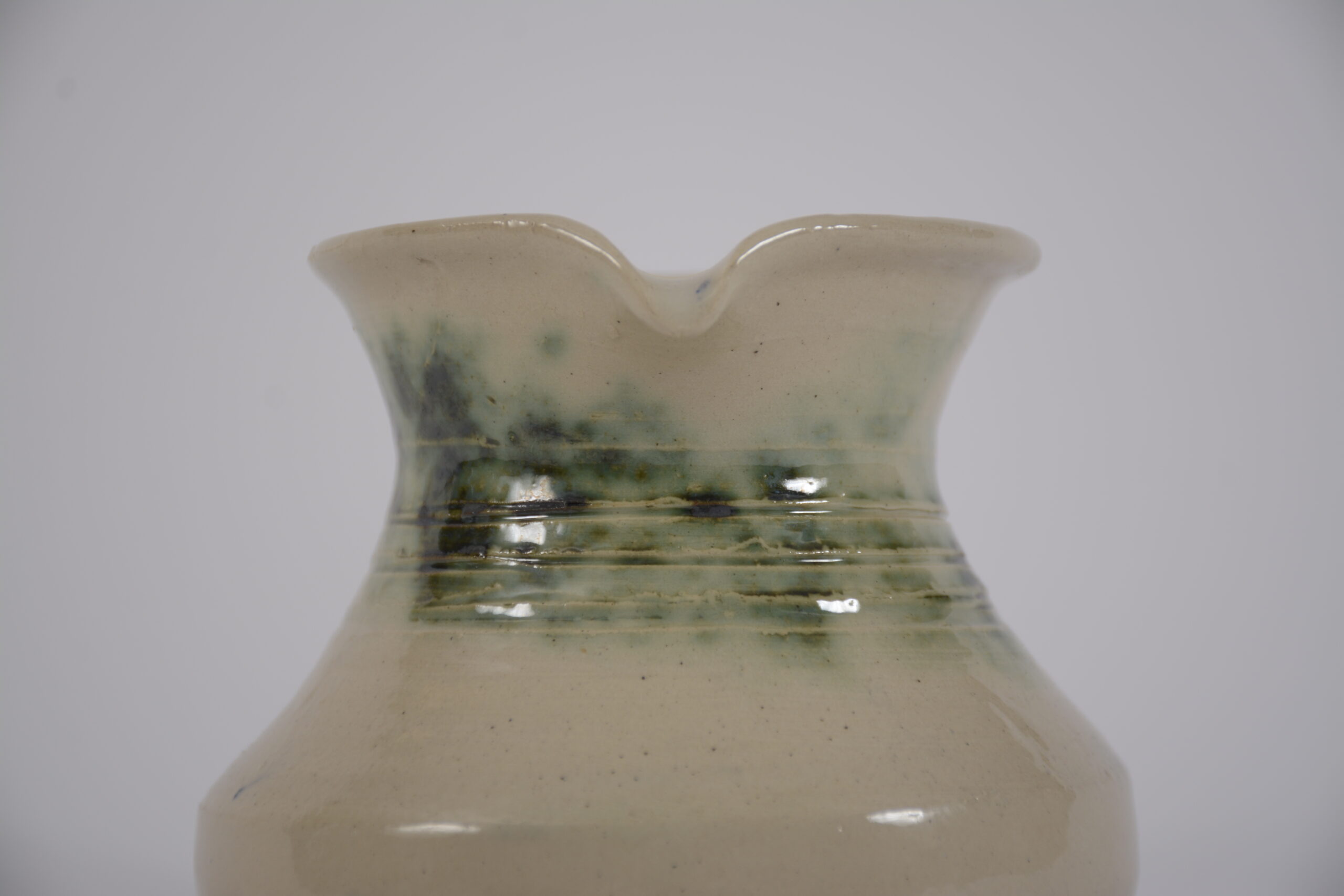
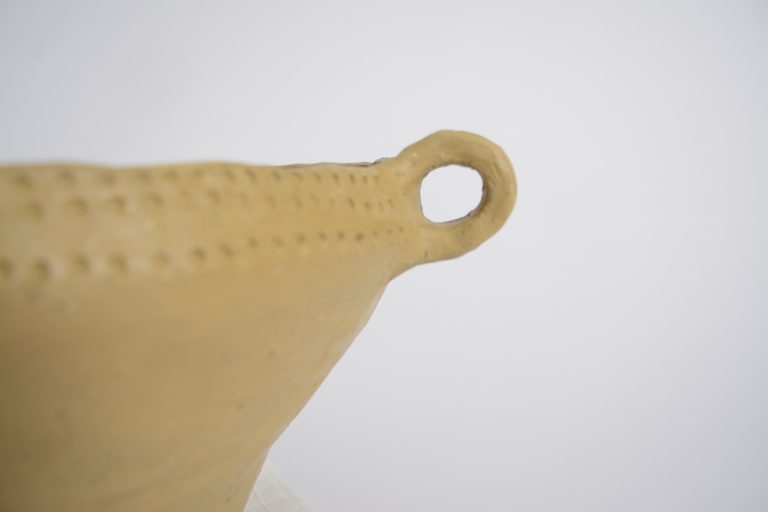
The reconstructed vessels explore different variations of rounded bodies, narrowed necks, pronounced rims, horizontal ridges, and fine vertical markings.
What interests me most is the balance between simplicity and detail.
At first glance, these vessels appear restrained. Their character lies in subtle changes: a slightly heavier rim, a different curve of the body, a narrower opening, or a single incised line.
These are the qualities I want to carry into my own ceramic practice.
From Historical Vessel to Contemporary Object
For me, reconstruction is not the final destination. It is a tool for understanding.
By rebuilding a historical form, I can discover which qualities genuinely interest me. Only then does the process of translation begin.
What should remain?
What can change?
And at what point does a reconstruction become something new?
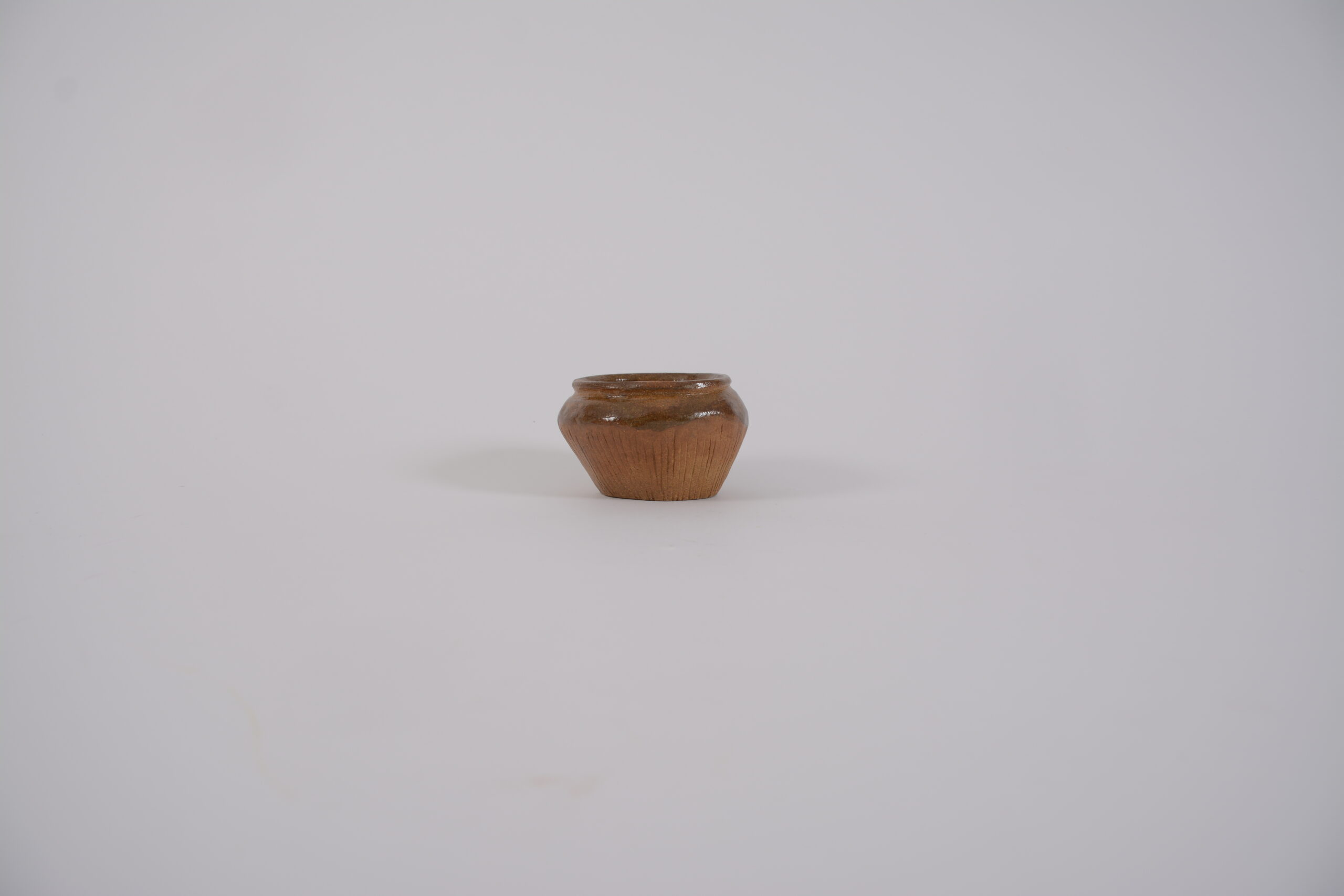
Rather than using historical forms as decoration, I am interested in translating their underlying principles into contemporary functional ceramics: proportion, rhythm, profile, line, and the relationship between surface and form.
A contemporary vessel can therefore carry traces of a historical visual language without becoming a replica.
The Line as a Connection
The linear markings are particularly interesting to me.
The vertical incisions on the reconstructed vessels are simple, yet they change the way the body is perceived. They emphasise its curvature, create rhythm across the surface, and make the movement of the vessel more apparent.
This is something I want to explore further.
A straight line can become a curve.
A groove can become an ornament.
A historical motif can become a new surface.
This creates a continuous relationship between research and making:
artefact → reconstruction → observation → abstraction → new vessel
This is where historical ceramics become meaningful to me. Not as something that needs to be reproduced unchanged, but as a body of knowledge that can be examined, transformed, and carried forward.
What Remains?
Ultimately, these reconstructions raise a simple question:
How much of the past can remain visible in a contemporary functional object without taking it out of the present?
My next pieces will not be copies of these vessels. Instead, I want to take individual elements from the reconstructions and develop them further — the compact proportions, articulated rims, rhythmic lines, and organic movement of the surfaces.
The reconstruction is therefore not the finished object.
It is the trace from which something new begins.
Study / La Tène
Reconstructions as part of an ongoing investigation into historical forms, materials, techniques, and their possibilities within contemporary ceramic practice.